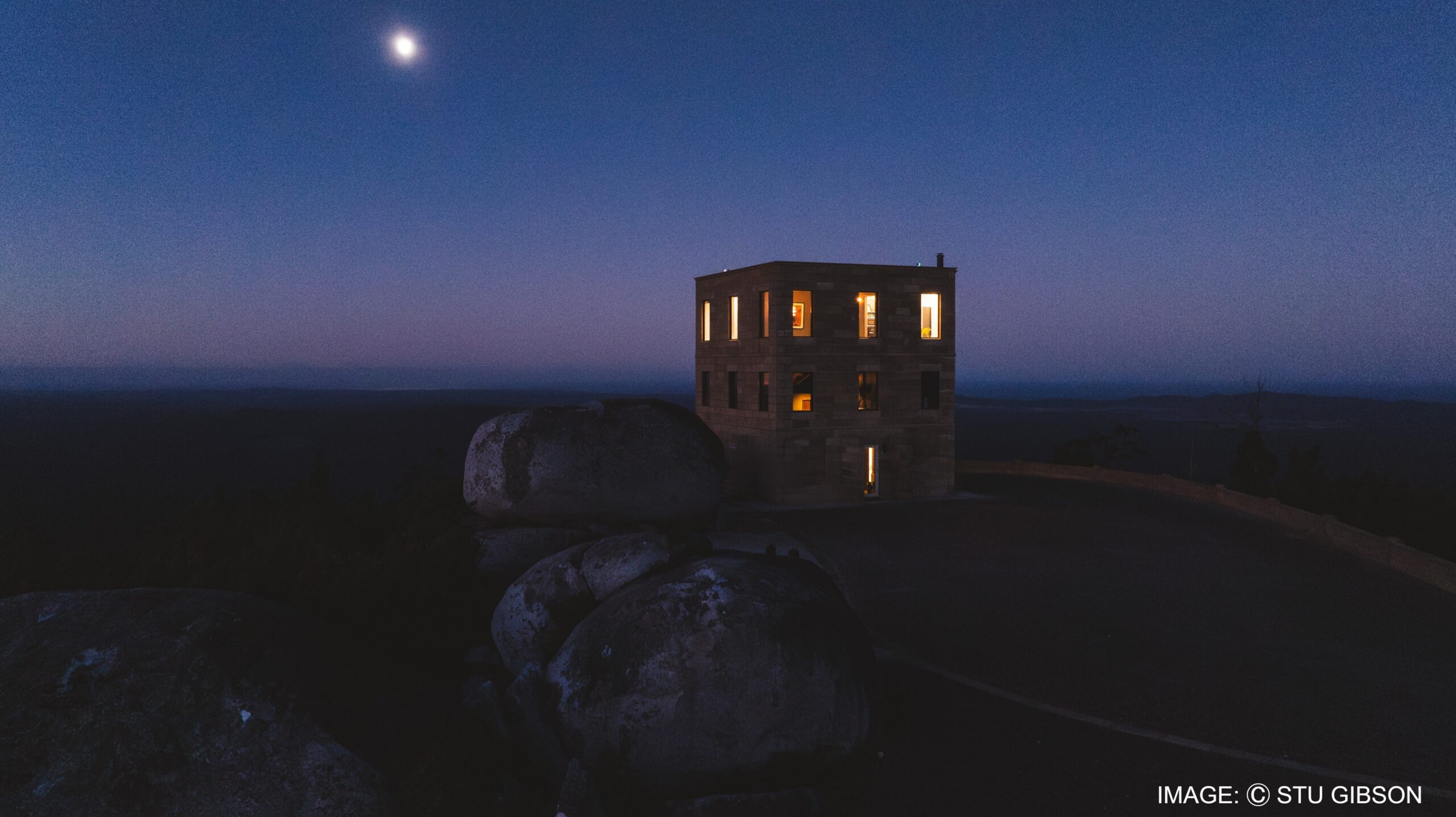
Some jobs at The Keep are straightforward.
Replacing the three floor-to-ceiling windows on the top floor was never going to be one of them.
We had been putting it off for much longer than we should have. Partly because replacing windows four storeys above the deck is not exactly routine maintenance. But mostly because the last time windows were replaced at The Keep, the weather turned suddenly and the wind literally blew every window out of the building.
That experience tends to stay with you.
So when we finally committed to replacing the top floor glass this autumn, we approached the project with a level of caution normally reserved for offshore sailing expeditions and moon landings.
Trent from St Helens Glass explained that if this had been a straightforward install at ground level somewhere down at sea level, it probably would have been a one-day job. But at The Keep — with the height, exposure, crane access and Tasmania’s famously unpredictable weather — it was a very different proposition.
After talking it through with Trent, we blocked out a full four-day window for the work.
To be fair, none of us were particularly relaxed about it.
For at least a week beforehand, everyone involved had become amateur meteorologists. Wind forecasts were checked obsessively. Rain radars were studied. Forecast models were compared. Every update seemed to matter.
Because once those windows came out, there was no easy way back.
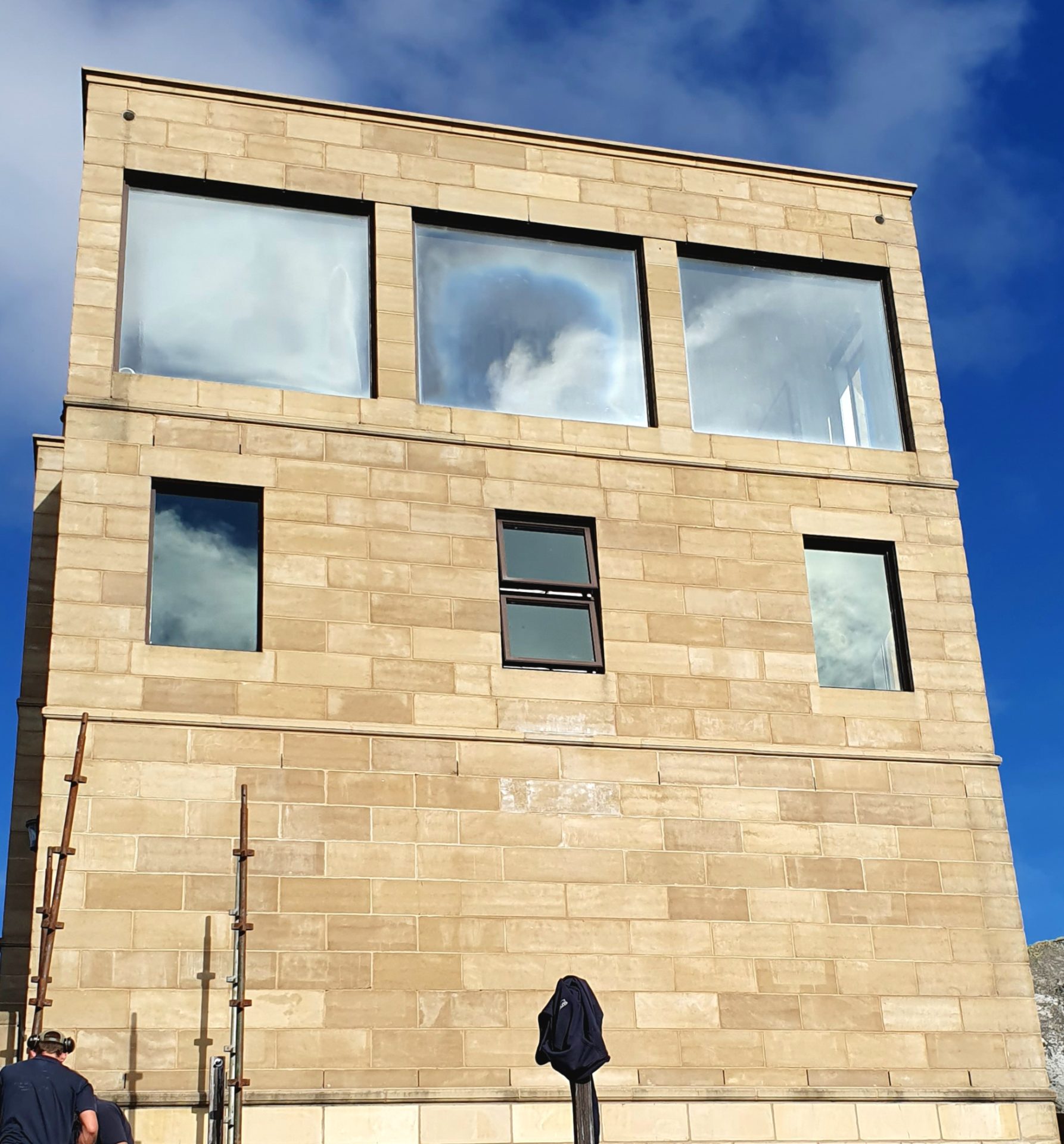
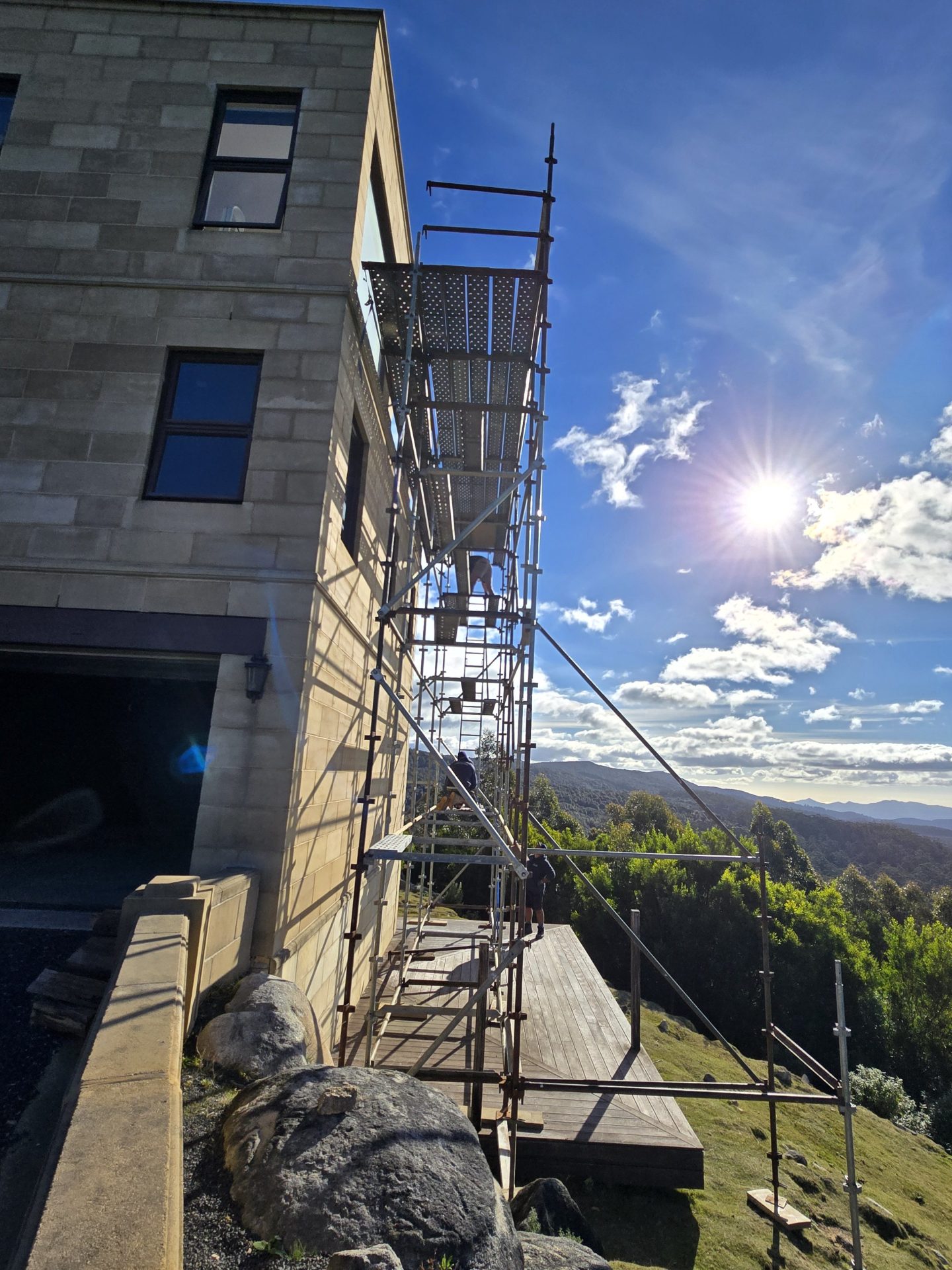
The day before the installation, scaffolding arrived and was erected from the deck all the way to the height of the top floor windows. Watching it go up gave the whole project a sudden sense of reality.
Then the crane truck arrived.
By late afternoon it was parked and positioned in front of The Keep, ready for the morning operation. Everything was prepared. All we needed now was weather.
That evening the forecast finally settled: light winds, clear skies and calm conditions through the morning.
Perfect.
Or at least as perfect as Tasmania ever allows.
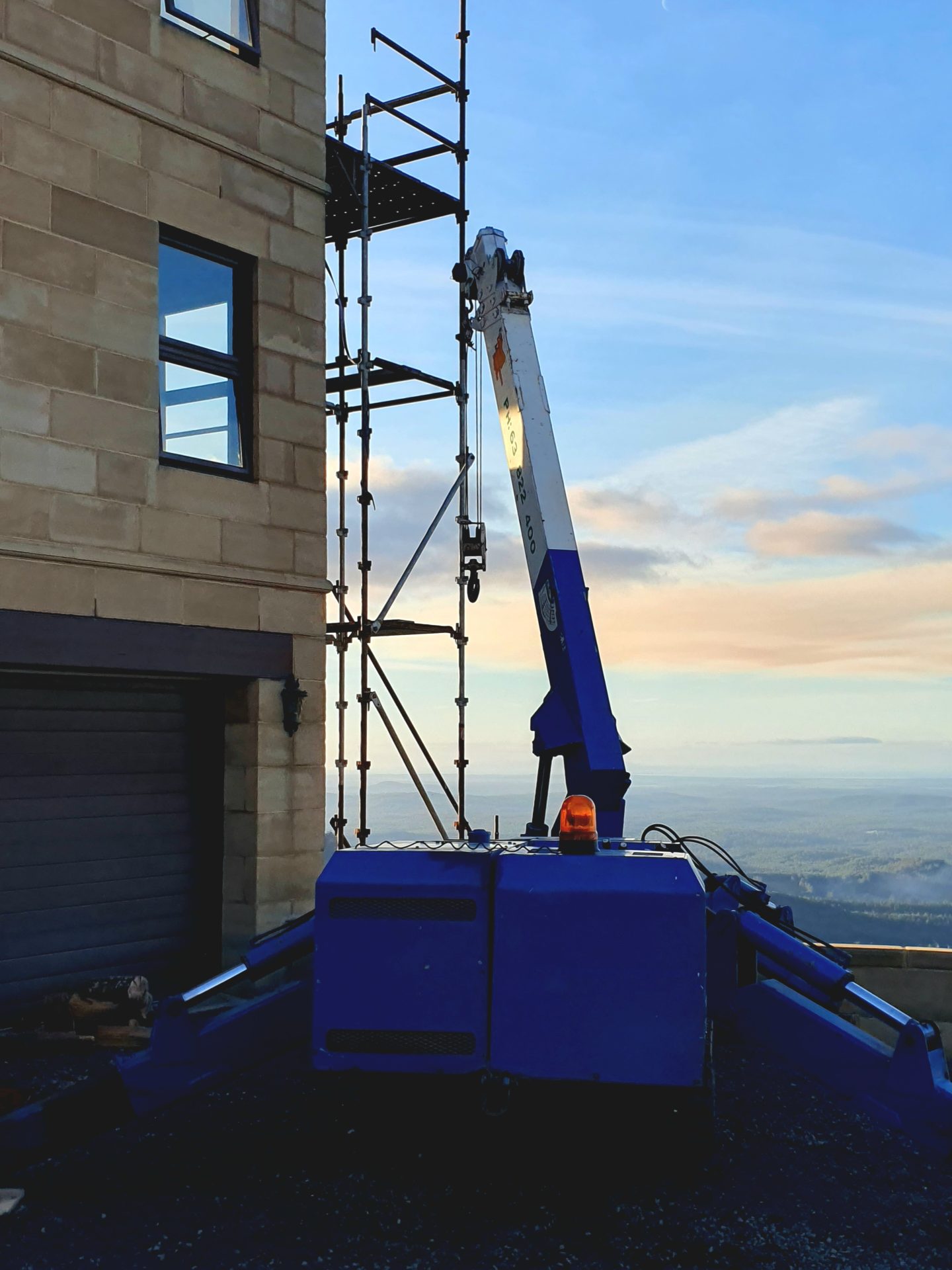
I arrived at The Keep at 6:30am in complete darkness and somehow managed to be the last person there.
Trent and his crew had already begun preparing equipment in the still pre-dawn air. Trent himself seemed remarkably calm about the whole thing. Looking back, I think I probably interpreted his quietness as confidence because I was nervous myself.
It turns out he hadn’t slept at all the night before.
As dawn arrived, work began.
The first of the old windows was carefully removed, leaving a full-height opening where the glass had been only moments earlier. For a short time, while Trent and the crew prepared for the first lift, there was a quiet pause in the work.
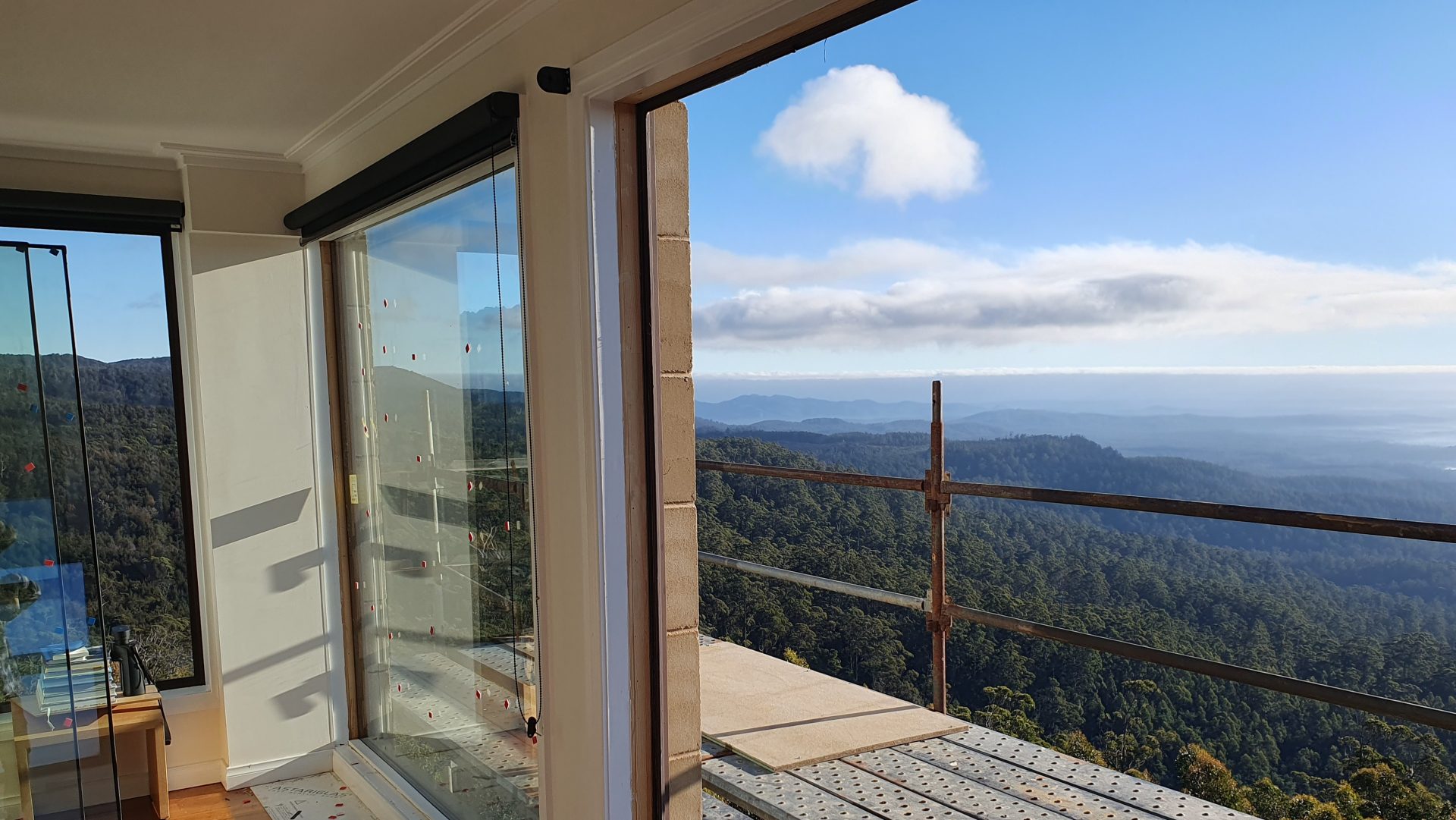
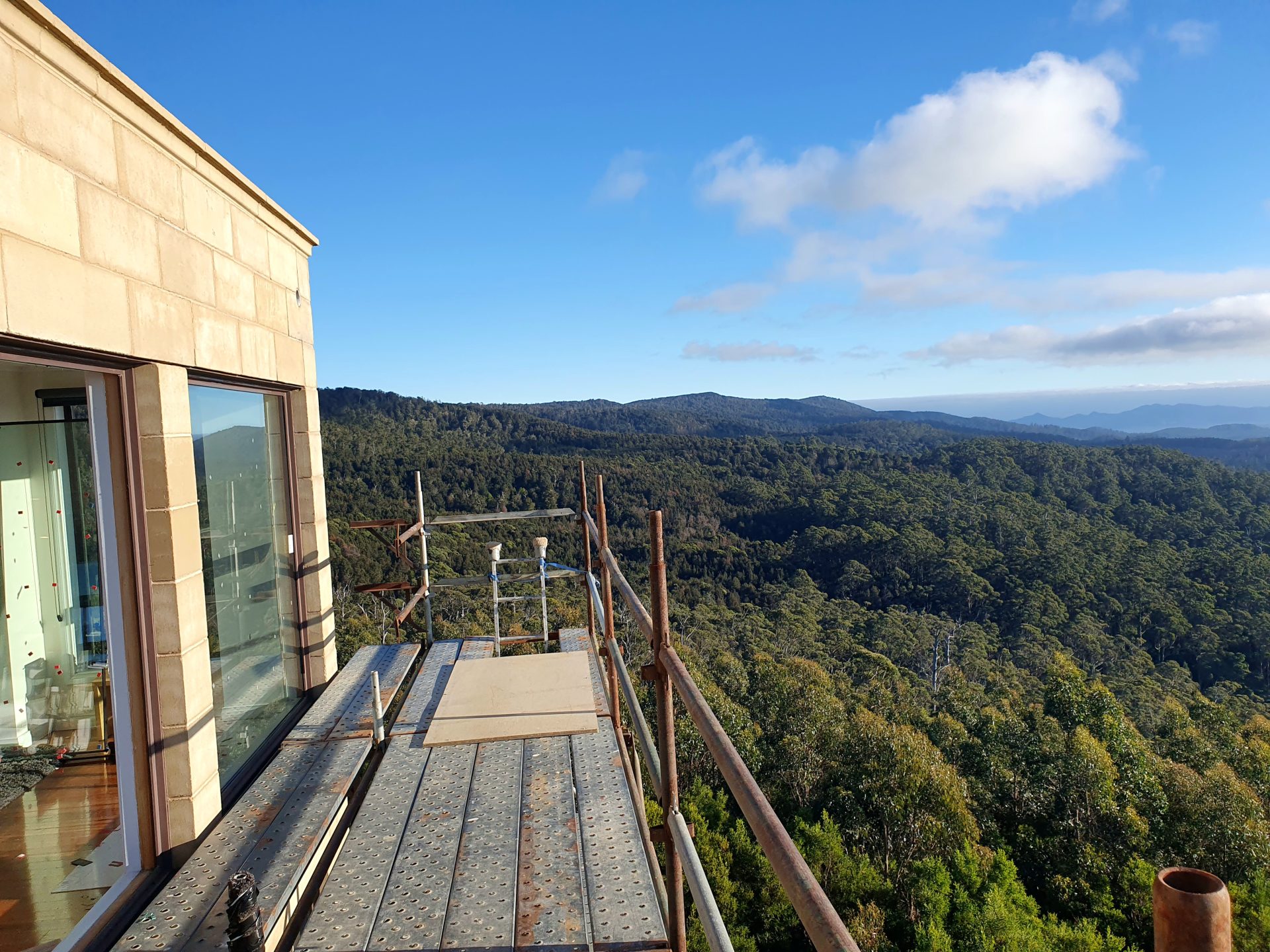
I stepped through the empty window space and out onto the scaffold.
It was one of those strange moments you know you are unlikely to experience again.
At least I sincerely hope so.
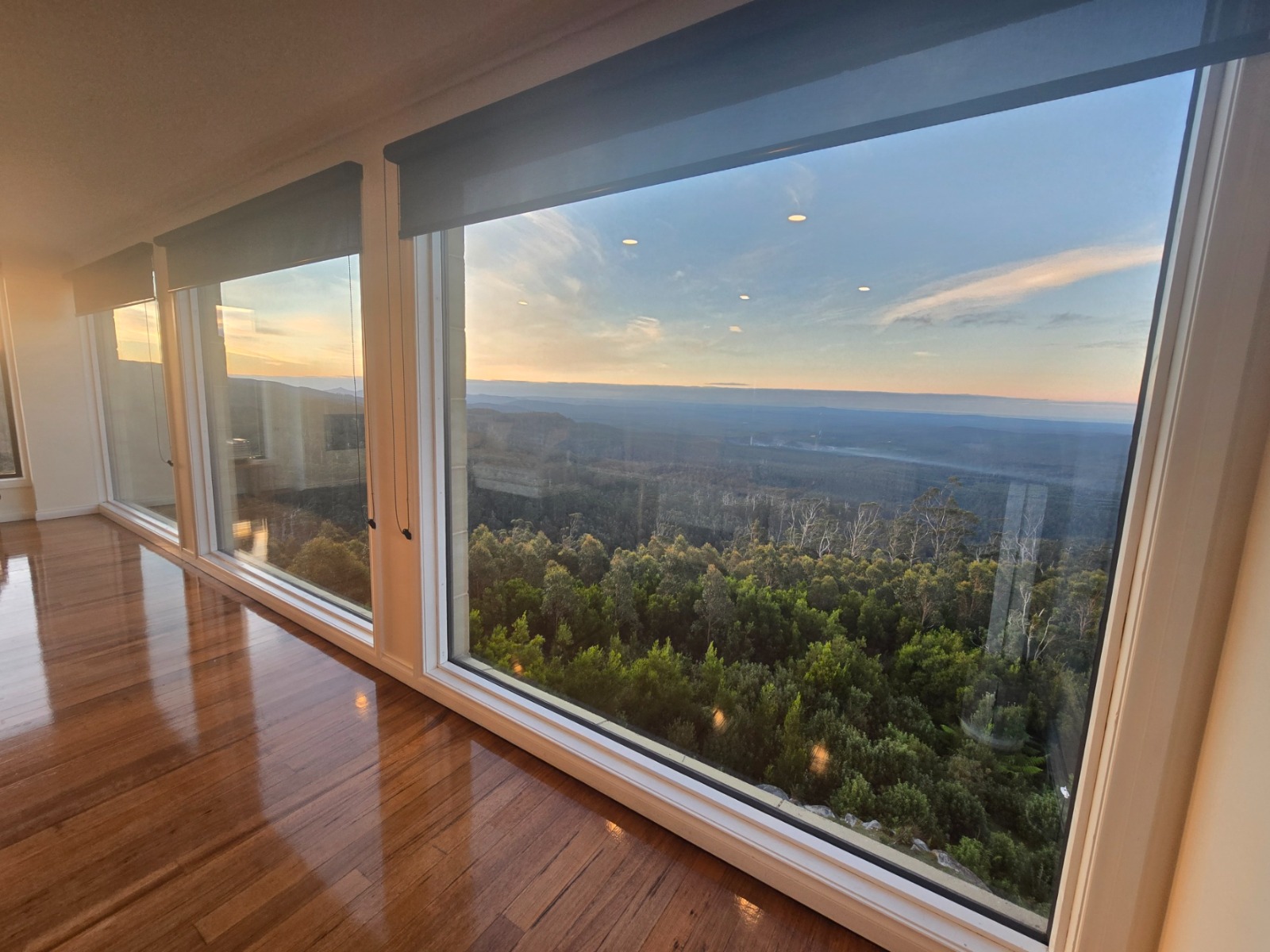
I had stood upstairs at The Keep countless times, looking out through those windows towards the Bay of Fires, but this was different. I was outside the building now, at almost exactly the same height as the top floor, with no glass, no frame and nothing between me and the view.
It was extraordinary.
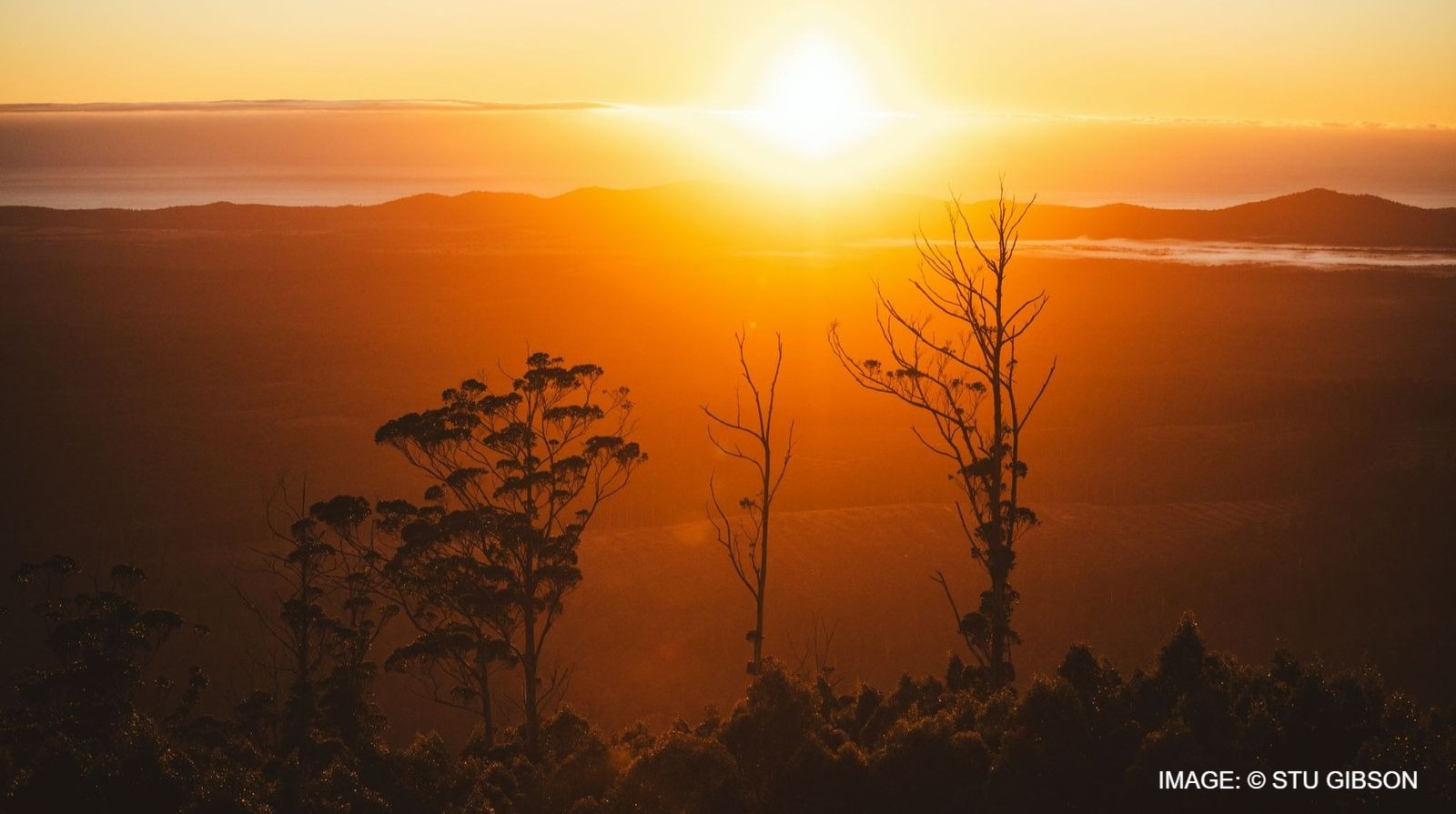
The view from upstairs has always been one of the defining experiences of The Keep, but from out there it somehow felt even bigger. More exposed. More immediate. The forest dropped away beneath me, the hills rolled out towards the coast and the whole landscape seemed to open up in a way I had never quite seen before.
So I stayed there for as long as I reasonably could. I took photos, probably too many, and tried to soak it in properly — the height, the stillness, and the strange privilege of seeing a familiar place from a completely unfamiliar point of view.
Then the crew was ready, the crane moved into position, and the quiet moment was over.
Over the next few hours the remaining old windows were removed and the new glass was expertly maneuvered into place. From a distance it all looked strangely graceful — giant panes of glass floating silently through the air suspended beneath the crane, slowly inching towards the building.
The crew barely spoke while the work was underway.
At the time I assumed they were simply concentrating.
It wasn’t until later that I realised they were probably feeling exactly what we were feeling.
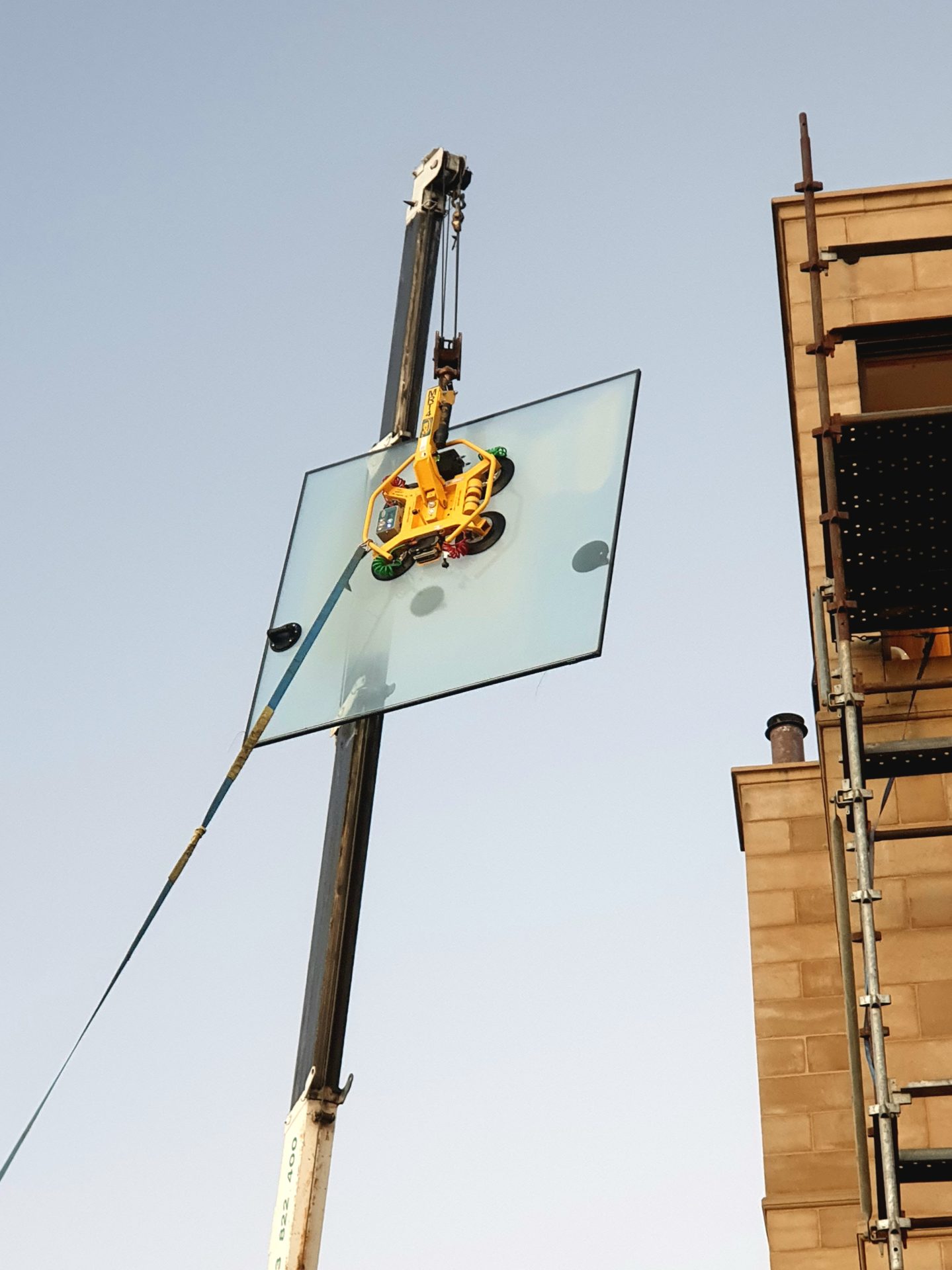
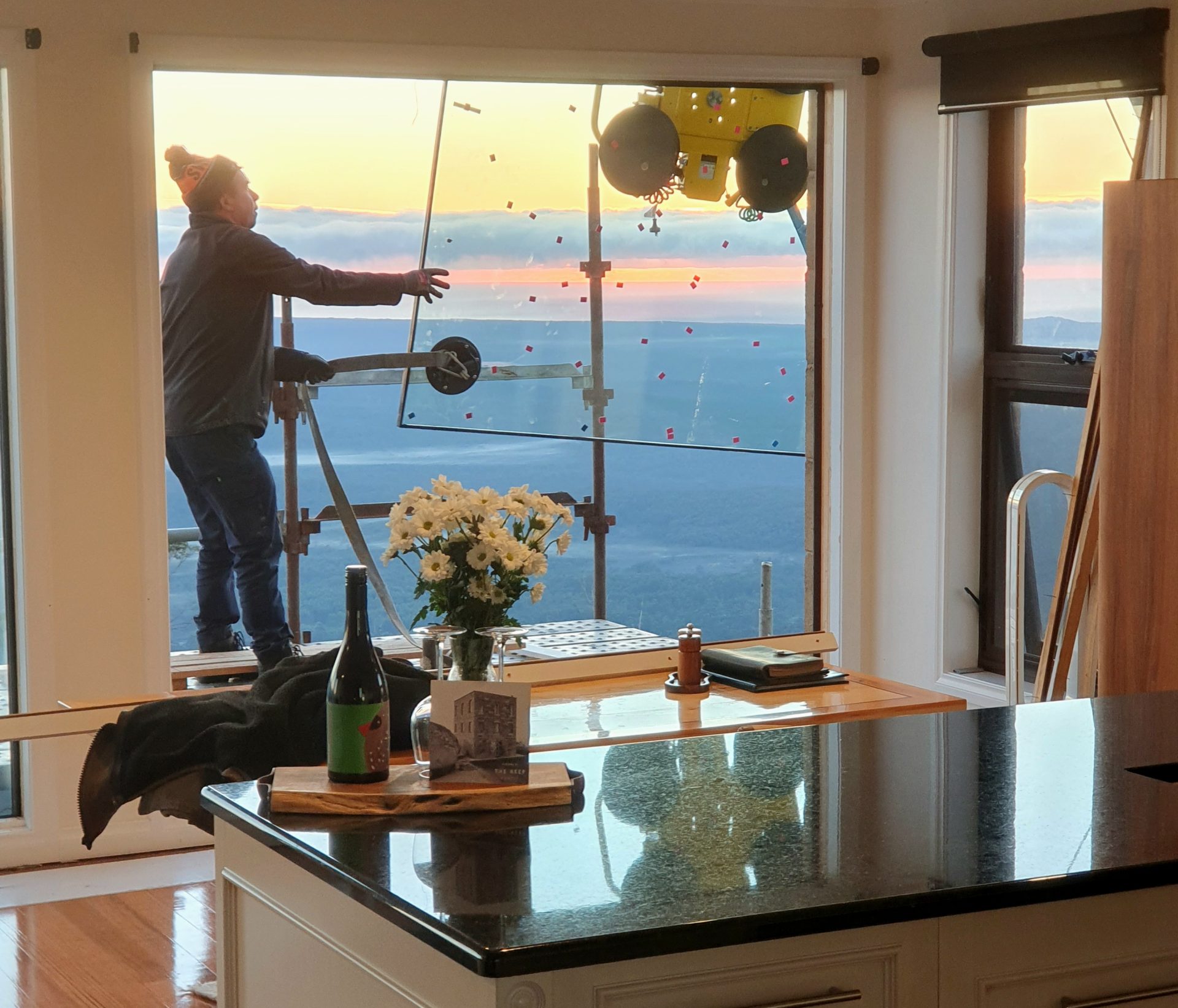
There was a noticeable shift the moment the final window slid into position.
The tension evaporated almost instantly.
Suddenly the quiet seriousness of the morning disappeared and the worksite transformed into what building sites usually sound like: banter, jokes, laughter and plenty of relieved humour. It genuinely felt as though someone had flicked a switch.
In the end, the conditions could not have been better and the entire project was completed in only a few hours.
After all the stress and preparation, it was over remarkably quickly.
What surprised us most came later that afternoon.
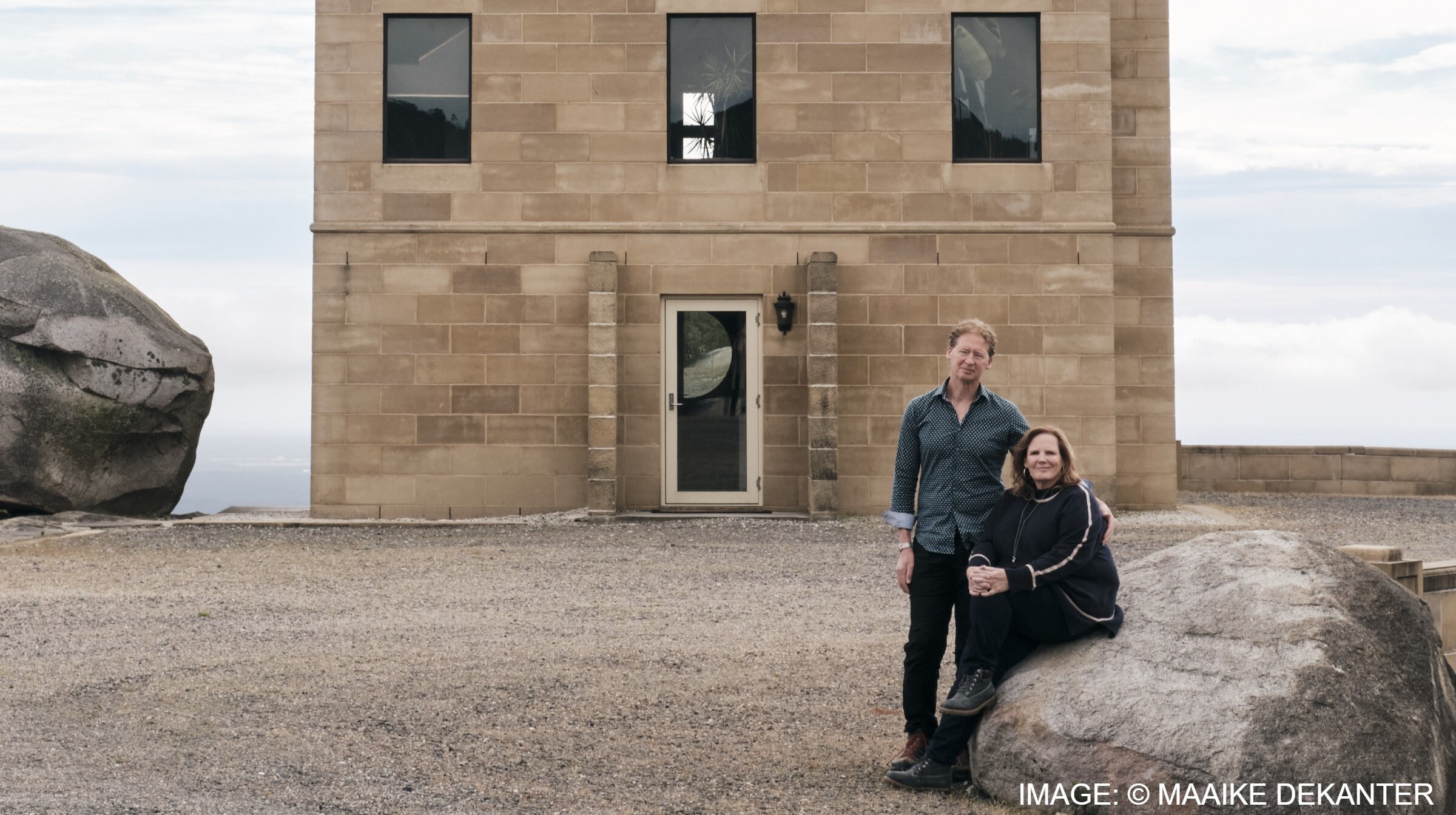
Without really discussing it, Sue and I both found ourselves repeatedly drawn upstairs. We spent hours sitting quietly and simply staring out through the new glass.
The view had not changed at all.
But somehow it felt different.
Sharper. Clearer. Brighter.
After years of slowly deteriorating glazing, scratches, haze and weathering, the landscape suddenly looked vivid again. The ocean, the forests, the changing light across the hills — everything felt closer somehow.
It reminded us how easy it is to slowly stop noticing things you see every day.
By that evening the crane was gone, the scaffolding had been taken down and The Keep looked exactly as it always had.
Except now, when you stand upstairs and look out towards the Bay of Fires, it feels a little bit like the entire landscape has been cleaned and polished overnight.