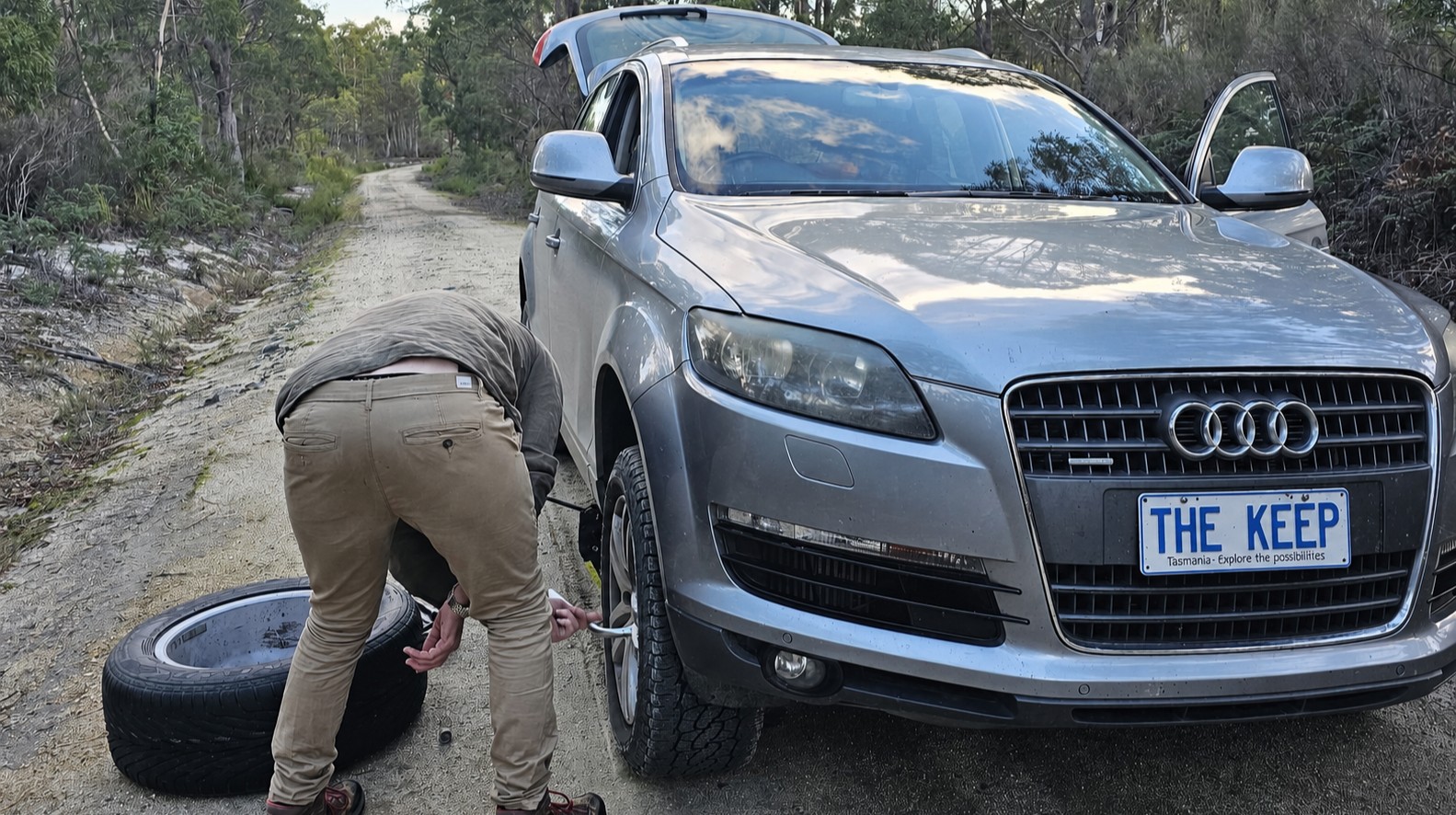
Our old Audi Q7 is still going strong, but it won’t last forever
.
Since we’ve had it, it has covered more than 100,000 kilometres. We now live in St Helens, but when we bought the Audi we were still living in Hobart and managing The Keep from there, making the journey north two and sometimes three times a week. Looking back, we’re still not entirely sure how we managed that while also running two cafés.
The kilometres accumulated quickly.
And the Audi just kept doing its job.
Sooner or later, we’ll need to replace it.
There are plenty of contenders. Another Audi. Perhaps a Q8. Maybe an SQ7. There’s even the occasional conversation about a Range Rover.
But what once seemed like a straightforward vehicle purchase has become surprisingly difficult.
Not because we don’t know what we’re looking for.
But because we do.
Our mechanic, Paul, described the Audi Q7 as “a good bus.”
At the time, that was about as enthusiastic an endorsement as we needed.
Both the little Volkswagen Polo R-Line and the Subaru Forester had departed our lives in fairly quick succession, and we suddenly found ourselves needing a replacement vehicle for The Keep.
Like many people shopping for a second-hand car in a hurry, our requirements became surprisingly simple.
It had to be available.
It had to be affordable.
And it had to tick enough boxes that we could convince ourselves it was a sensible decision.
The Q7 happened to be nearby, within budget, and according to Paul, a good bus.
So we bought it.
What we didn’t realise at the time was that we hadn’t just bought another car. We had found the vehicle that would change our understanding of what The Keep actually needs.
There are 100 kilometres of highway from the airport, then 30 kilometres of country roads, 20 kilometres of gravel, and finally the steep climb up our driveway, which begins about five kilometres from The Keep.
By the time guests arrive at the top, most already feel a very long way from the rest of the world.
And that final stretch happens to be extraordinarily revealing.
Particularly about cars.
Over the years, we’ve had a few.
My favourite was a little black Volkswagen Polo R-Line. It was quick, fun, sharp to drive and completely unsuited to life at The Keep. I loved that car. The road did not.
Then came the Subaru Forester with low range. On paper, it made perfect sense. Honest, capable, practical — exactly the sort of thing you imagine handling steep dirt roads and towing duties without complaint.
In reality, we simply asked too much of it.
One afternoon, towing a full 1,000-litre tank of water up the steepest section of the drive, the Subaru finally gave up altogether. What followed was one of the less glamorous moments of life at The Keep: reversing a heavy trailer full of water back down a narrow, steep dirt road trying very hard not to think too much about what would happen if the trailer pulled me over the edge.
It’s the sort of experience that quickly teaches you the difference between a vehicle that looks capable and one that genuinely is.
The Volvo XC90 approached the challenge from the opposite direction. More than luxurious enough for guest transfers. But despite its sophistication, it never quite felt comfortable doing the harder work The Keep occasionally demands.
Like many modern luxury SUVs, it seemed designed with the assumption that difficult roads would mostly remain theoretical.
And honestly, that’s probably true for most owners.
Our Škoda Octavia falls into a different category again. It’s a lovely highway car. Comfortable, efficient, beautifully suited to covering long distances on sealed roads. But we only take it up to The Keep when we absolutely have to.
Low-profile tyres and rough mountain roads are not natural companions, and after eight punctures — along with a few suspicious suspension noises — we learned to keep speeds down to slow and very slow.
The road has a way of communicating its preferences.
For a long time, we assumed life at The Keep required more than one car.
One vehicle for the guest side of things. Another for the hard jobs. One car could be comfortable, polished and suited to long drives. Another could tow water, carry supplies and deal with the rougher work around the property.
In theory, that made sense.
A vehicle up here needs to live two very different lives, often in the same day. It needs to be calm and comfortable enough for guests after a long journey, but it also needs to be strong enough, capable enough and dependable enough for a remote property where the road changes quickly, the weather matters, and sometimes the job is bigger than expected.
Most vehicles are good at one of those lives.
Very few are genuinely good at both.
That was the surprise of the Q7.
We already knew it would be comfortable. Quiet cabin, beautifully resolved interior, effortless long-distance touring — all the things you want when collecting guests.
What surprised us was everything else.
The steep climbs. Corrugations. Loose gravel. Towing duties. Wet weather. Long days. Short trips. Water runs.
The Q7 never seemed particularly interested in distinguishing between any of them.
Compared to the Subaru, the Q7’s 3-litre turbo diesel transformed the harder jobs completely. Tasks that once felt demanding simply became routine.
Fitting all-terrain tyres revealed another side of the vehicle again. Suddenly it felt planted and assured on dirt roads in a way many luxury SUVs never do.
Over time, something interesting happened.
The Q7 stopped being “the Audi”.
It simply became the vehicle we reached for whenever the job mattered.
Most guests still choose to drive themselves to The Keep, and rightly so. The journey is part of the experience.
But recently we drove returning guests, Jude and Pete, to The Keep.
Afterwards they told us how different the experience felt.
The first time they had spent most of the drive concentrating on directions, changing road conditions and making sure they were still heading the right way.
This time they simply looked out the window.
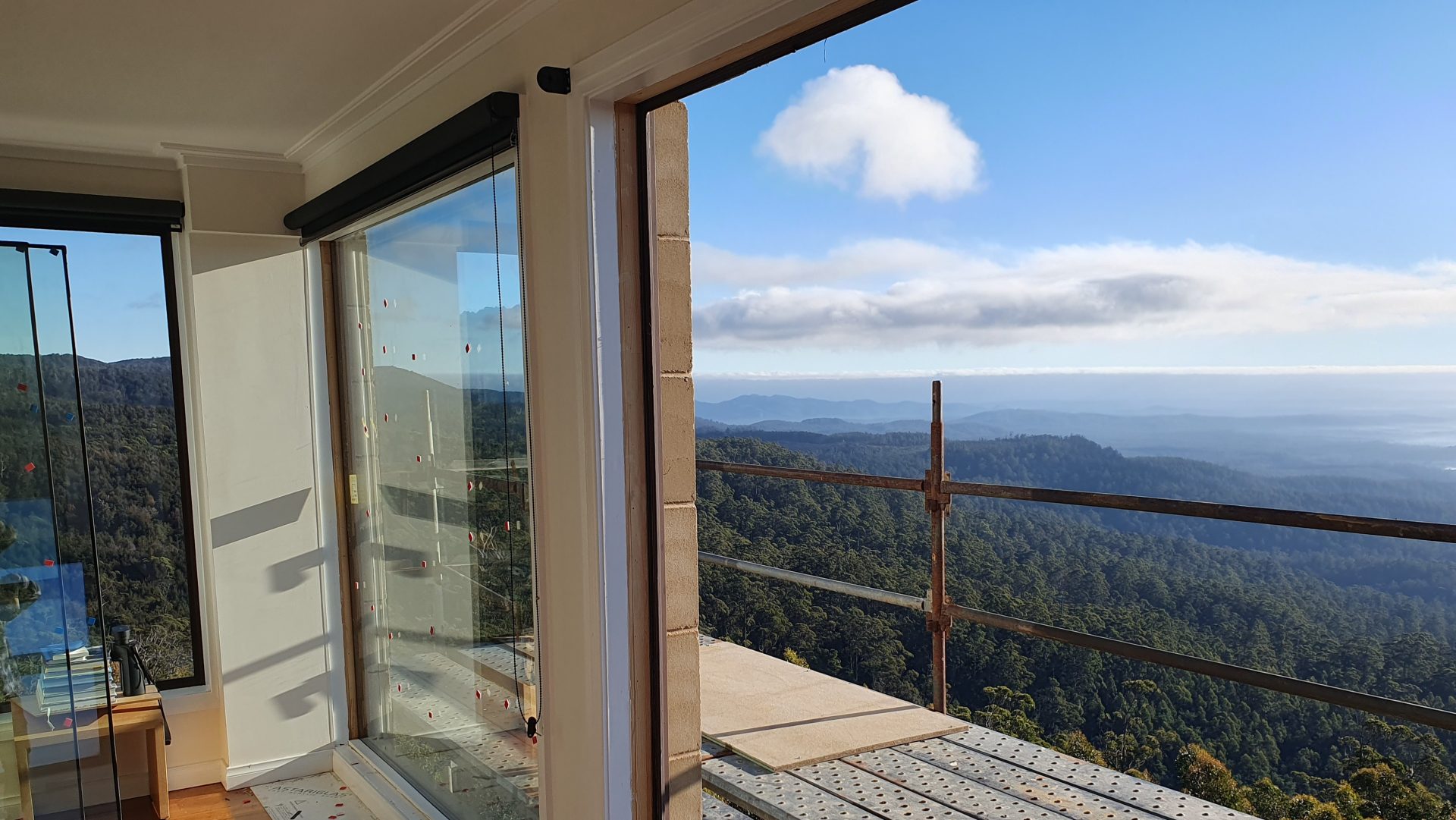
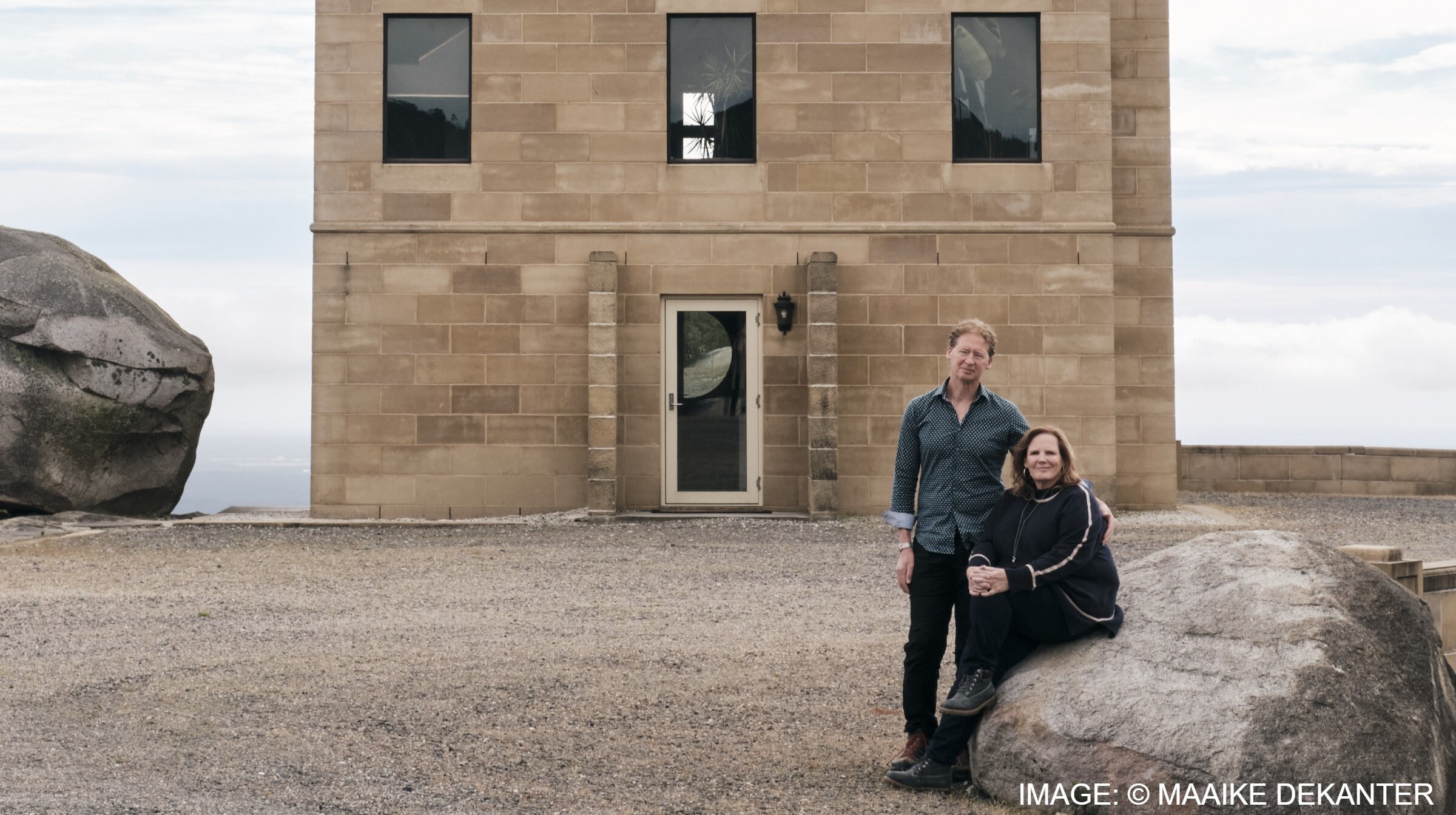
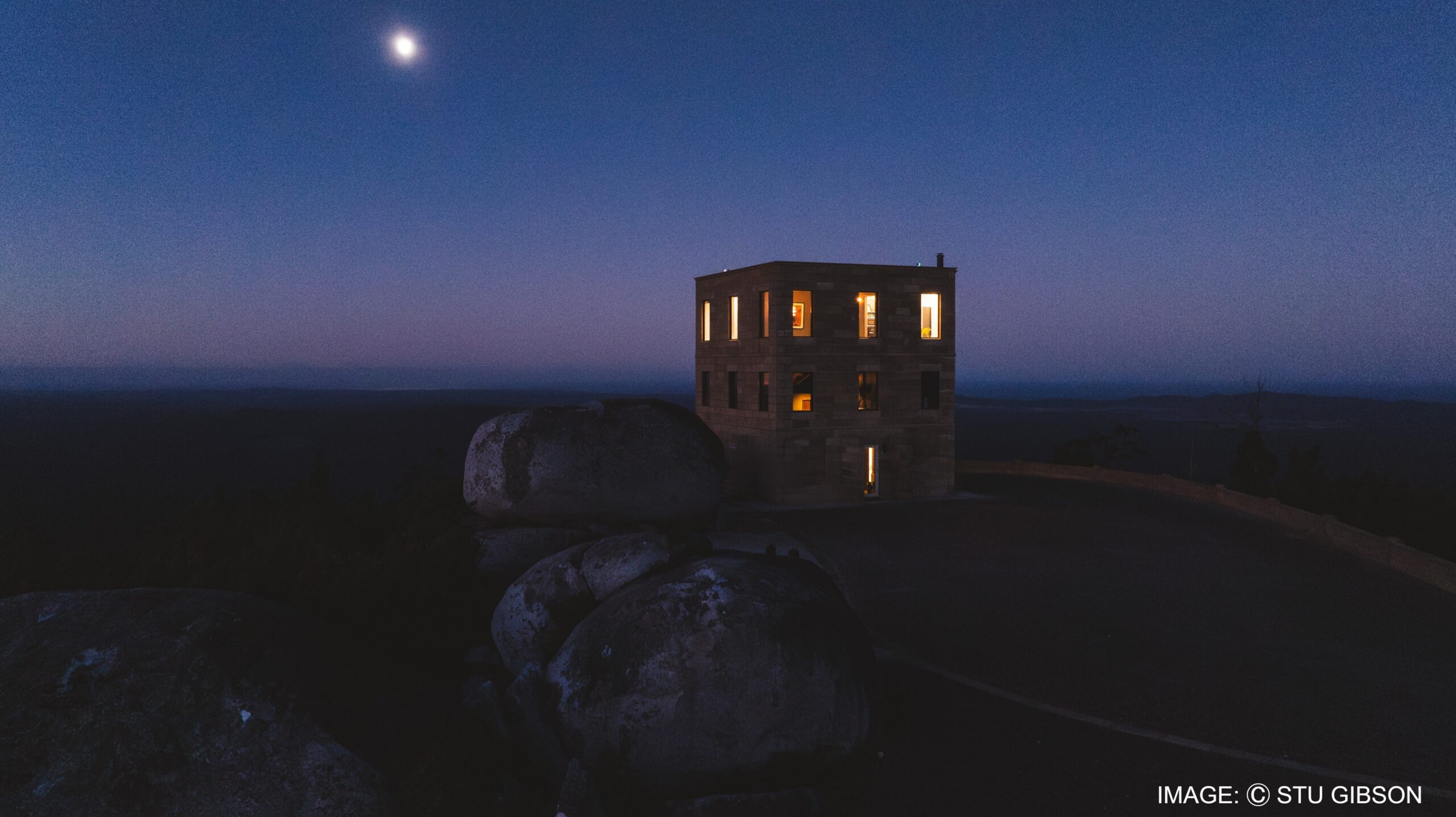
There is a point, just before the final climb begins, where The Keep appears in the distance for a moment — small, solitary, sitting high on its granite pinnacle.
Like most guests, on their first visit Jude and Pete missed it.
This time, they saw it.
Which, when you think about it, is probably exactly what a vehicle like the Q7 is supposed to do. It turns the drive from a task into part of the experience.
And this is why replacing it is proving harder than expected.
Before the Q7, we thought we needed more than one vehicle to cover life at The Keep properly.
Now we know one vehicle can do it.
But it has to be the right one.
The replacement has to be comfortable enough for guests. Capable enough for the road. Strong enough to tow water. Reliable enough to trust. And versatile enough to move between all of those jobs without making a fuss.
Those are demanding requirements.
The Q7 taught us that.
It also set the benchmark.
Whatever eventually takes its place won’t be compared against the Polo, the Subaru, the Volvo or the Škoda.
It will be compared against the old Audi.
A good bus, as it turns out.
And a very difficult one to replace.