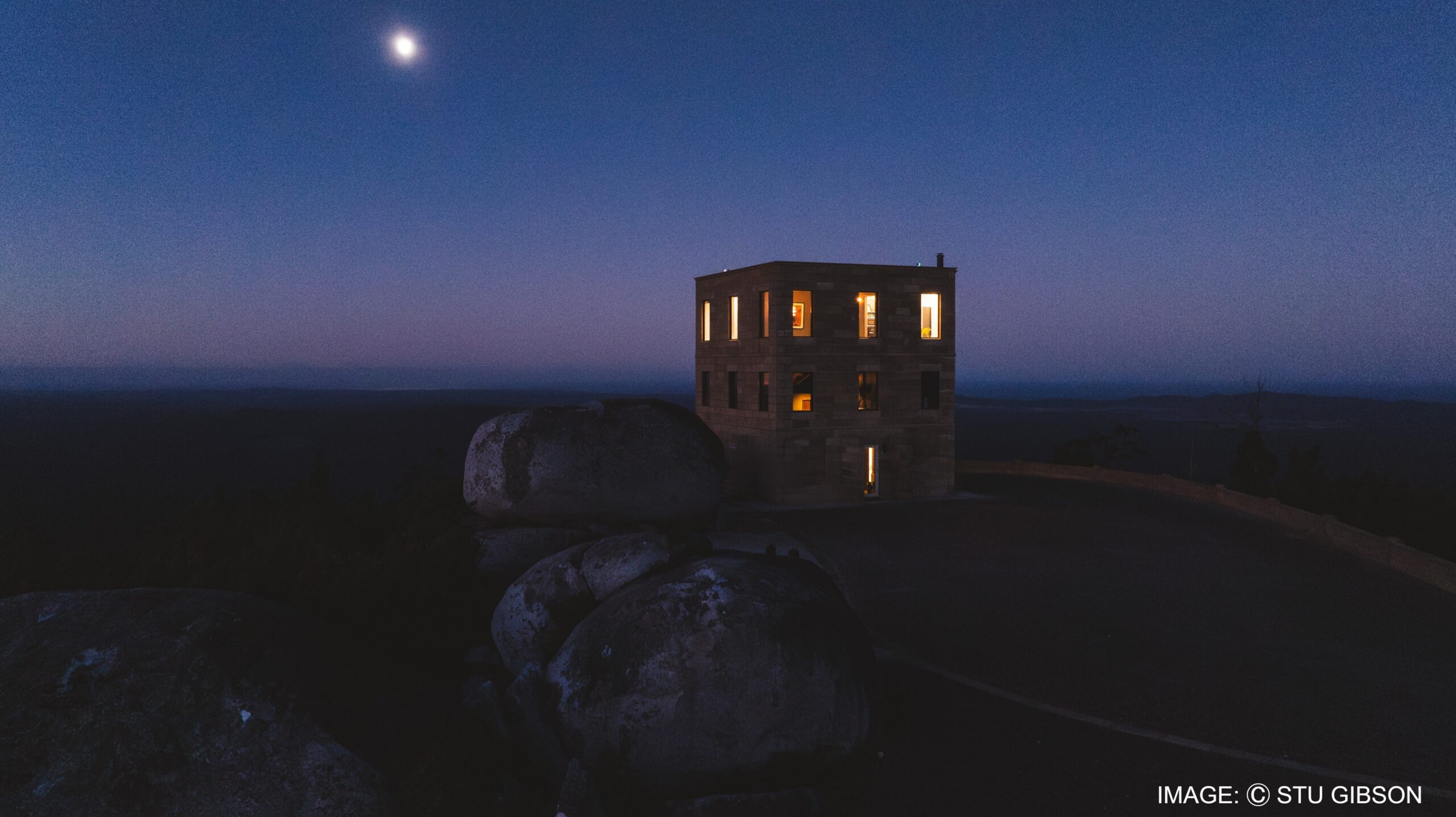
A Bit of History
This area has been mined, logged, or farmed for over 150 years. It looks like a pristine forest now, but there are clues to its past hidden in plain sight—rusted machinery from a bygone era, and a few enormous trees from the “mother country.” Macrocarpa, oak, and holly aren’t native here, but they’ve taken root.
Around 1880, there was a tin boom, and miners—many from the Victorian gold rush, especially Chinese miners—flooded the area. Their cultural legacy still echoes through the northeast. I raced the Blue Dragon bike race in 2008, which followed old mining trails. That race helped spark the mountain biking revival that transformed Derby from a dying mining town into a world class mountain biking mecca today.
Back then, the town of Lottah (just 5 km southeast as the crow flies) was the largest in the municipality. But as the ore ran out and the terrain proved too rugged for farming, the area was largely abandoned. Most of the land became national park reserve or forestry reserve—except for two parcels. One became The Keep, bought by loggers about 20 years ago. The other, adjacent to us, was purchased by an environmental philanthropist and donated to the Tasmanian Land Conservancy.
When the loggers cleared part of the land, they revealed the plateau where The Keep now stands. A local couple with Scottish heritage saw the dramatic boulders and wild terrain and decided it deserved a castle. They commissioned a local architect to build it as a tribute to the keeps of the Scottish Highlands.
Building The Keep
Everyone around here seems to have a story about building The Keep. It was a long, difficult process that involved most of the local trades at some point. Depending on who you ask, it was either the best job they ever worked on—or the worst.
Midway through construction, the council upgraded the site to cyclone rating after windows blew out, scaffolding collapsed, and cranes toppled. It snowed. It poured. The road alone is an engineering feat. The contractor told me, “We dig a quarry at the bottom and one at the top, and laid gravel in both directions for weeks. I’ve no idea how much gravel is on that road.” When I asked what it cost, he just laughed—he kept no receipts because he was paid in cash. All he’d say was the owner was a “prospector.” Intriguing.
The project took seven years. The marriage didn’t survive. The Keep was finished, never lived in, and sold. In 2019, a couple bought it with dreams of running a boutique retreat. They did a beautiful job converting it from a home to a couples’ escape, but sold it again after 18 months. My guess? They realised how hard it is to run a business in such a remote spot.
Our Story
We bought The Keep in 2022. And yes, we too discovered the challenges of remoteness—after we signed the papers. But instead of backing off, we doubled down.
When the manager quit, we stepped in. When the cleaner quit, we grabbed the mop. For nearly two years, two or three times a week, Sue or I would finish a shift at one of our Hobart cafés, drive four hours to The Keep, clean and set up, then drive back for a 6 a.m. start. We’d catch sleep in the car on the side of the highway.
Eventually, we knew something had to give. We sold our cafés, put our house on the market, and moved to the northeast. The Keep is now our full-time focus. We have big plans and are determined to make it the best romantic retreat in the country. Our measure of success isn’t awards or lists (though we do alright there)—it’s the experience of our guests.
How do the locals see it?
Mostly, positively. There’s a lot of affection for The Keep. So many locals were involved in its creation that there’s a real sense of shared ownership. We do our best to support local businesses, and now that we live here, we’re part of the community too.
That said, I’ll leave you with this story: I once drove up Platts Hill to the fire lookout tower. It seemed empty, so I started climbing. Near the top, the trapdoor opened and the fire spotter invited me in for a cuppa. At one point, I looked out and spotted The Keep on a distant ridge. I asked, “What’s that?” Without even looking up, he muttered, “Some rich prick built a holiday home. What an eyesore—looks like a bloody block of flats.”